







Search Results for: Cold Brew Comparison

What's the difference between ice drip coffee and cold brew coffee? A comprehensive comparison from brewing principles to flavor expression
Ice drip coffee and cold brew coffee are two common cold coffee methods, and many coffee enthusiasts discuss the taste differences between them when drinking coffee at Front Street. This article, through actual experiments, uses the same Front Street sun-dried Huakui coffee beans and employs both ice drip and cold brew methods to make coffee, conducting a comprehensive comparison from production time, equipment, coffee-to-water ratio, extraction scheme to the final flavor performance. Ice drip coffee is clear and bright, with a clean and refreshing taste, carrying fermentation notes and a vinous charm; cold brew coffee, on the other hand, has a full body, obvious fruity sweetness, and a uniform flavor. Through this experiment, the significant difference between the two in terms of a clean and refreshing taste can be clearly identified. [more…]

Can You Make Cold Brew with Hot or Warm Water? Flavor Comparison Experiment of Quick-Extracted Cold Brew Coffee at Different Water Temperatures
Cold brew coffee usually requires 8 to 12 hours of low-temperature slow extraction, but what if you want to drink it the same day? Raising the water temperature can speed up extraction, but if you use hot water directly, it becomes hot brew, and the floral and fruity aromas and low bitterness unique to cold brew will also disappear. Front Street compared three methods through experiments: conventional 23°C cold water extraction for 10 hours, 40°C warm water extraction for 4 hours, and 92°C hot water blooming followed by room-temperature water extraction for 4 hours. The beans used were Colombia · Hanami, with full berry acidity, floral notes, and pink pepper flavors. The results showed that the 40°C warm water rapid cold brew was closest to the performance of conventional cold brew, with both a fermented feel and clearly presented flavors, making it suitable for friends who want to drink cold brew quickly. [more…]

The Complete Guide to Cold Extraction Coffee: Extraction Methods, Parameter Differences, and Flavor Comparison Between Ice Drip and Cold Brew
Neither ice drip coffee nor cold brew coffee relies on high-temperature hot water; instead, they complete extraction entirely with low-temperature water, and therefore take far longer than iced Americano or iced pour-over. Many coffee enthusiasts want to try making these two kinds of coffee at home, but without understanding their extraction principles and operational differences, it is difficult to produce the ideal flavor. Starting from Front Street Coffee's practice, this article first explains the basic principles of low-temperature extraction, then explains the suitable grind size, and next separately breaks down the specific parameters of time and coffee-to-water ratio for ice drip's drip-style extraction and cold brew's immersion-style extraction, and finally uses the same Front Street Ethiopia Yirgacheffe Natural Red Cherry coffee beans for comparison, presenting the differences in mouthfeel and flavor brought by the two methods, to help you find a brewing solution that suits you. [more…]
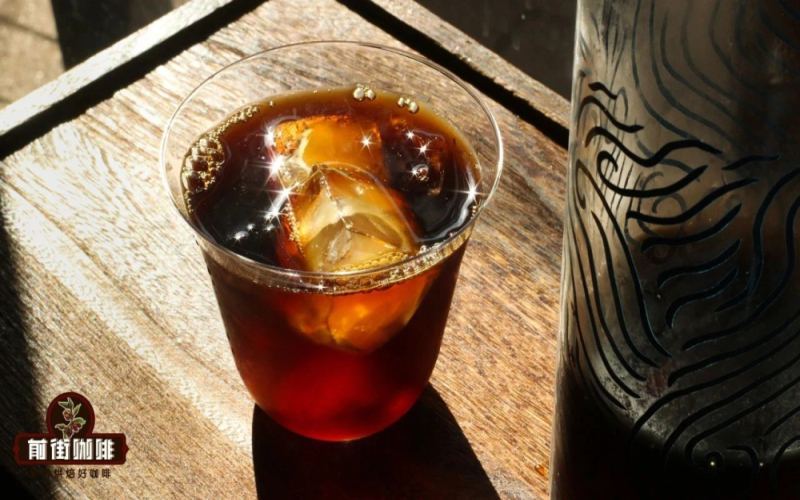
A Beginner's Guide to Cold Brew Coffee: Extraction Principles, Flavor Characteristics, and Comparison with Iced Americano and Cold Drip
The iced coffee family has many members—iced americano, iced latte, iced pour-over, cold brew, and cold drip all count. The first three are essentially hot coffee cooled and diluted with ice or milk, while cold brew takes a completely different route. Cold brew is further divided into cold drip and cold steep; the former requires special equipment, while the latter can be easily made at home. Because of the low-temperature extraction, cold brew coffee has less of the bitterness of hot extraction and more of a sweet-and-sour, fermented flavor. This article will cover the definition of cold brew, bean selection, and specific brewing steps one by one, and recommend three Front Street single-origin coffees suitable for cold brew to help you make delicious cold brew coffee. [more…]
Cold Brew, Ice Drip, Nitro Coffee, and Iced Americano: Process Differences, Flavor Comparison, and Home Methods for Four Types of Cold Coffee
Even though they are all iced coffees, cold brew, ice drip, nitro cold brew, and iced Americano actually differ greatly in their extraction methods and flavor profiles. Cold brew soaks coffee grounds in cold water for a long time, taking about 8 to 12 hours to complete, and has a mellow, sweet taste with lower acidity; ice drip, on the other hand, lets ice water pass through the coffee grounds drop by drop, followed by several hours to dozens of hours of refrigerated fermentation, resulting in a more delicate aroma. Nitro cold brew creates dense bubbles and a beer-like texture by injecting nitrogen. Iced Americano is made by cooling and diluting espresso after high-temperature extraction. This article will review the production processes, advantages and disadvantages, and market trends of these coffees, and include practical tips for making cold brew at home, while also retaining bean recommendations such as Front Street Indonesia Mandheling and Front Street Ethiopia Yirgacheffe. [more…]
Flavor Differences Between Ice Drip and Cold Brew Coffee: A Complete Comparison from Grind Size to Coffee-to-Water Ratio
Ice drip coffee and cold brew coffee both belong to the low-temperature extraction camp, yet they present completely different flavor profiles due to their different extraction methods. Many coffee enthusiasts hope to replicate these two drinks at home, but to produce a satisfactory result, one must first understand their respective extraction logic. Starting from Front Street Coffee's practical experience, this article compares in detail the specific differences between the two coffees in grind size, coffee-to-water ratio, extraction time, and final taste, and uses the same medium-light roast Yirgacheffe natural Red Cherry bean for a controlled experiment to help you find the cup that best suits your taste. [more…]

Should Cold Brew Coffee Include a Bloom? Experimental Comparison and Principle Analysis of Cold Immersion vs. Hot Water Pre-infusion
Cold brew coffee has always been made by steeping at low temperatures throughout, but if you first bloom the coffee grounds with hot water before steeping, will the final product taste better? Front Street conducted a controlled experiment using Sidamo Huakui 8.0: aside from the water temperature treatment, the two pots of cold brew had completely identical parameters—one was mixed directly with room-temperature water and refrigerated, while the other was first bloomed with 92°C hot water for 30 seconds before room-temperature water was added. After 8 hours, filtering and tasting revealed that the two had similar flavor directions, but the bloomed version had a higher concentration. The article then explains that the real source of this difference is not the blooming action itself, but the hot water and parameter changes introduced to accomplish the blooming, and, combined with the principle of degassing during blooming in pour-over brewing, explains its applicability in the cold brew scenario. [more…]

Same Beans, Different Taste? An In-Depth Analysis of the Extraction Differences and Flavor Comparison Between Cold Brew Coffee and Iced Pour-Over
Many coffee enthusiasts have wondered: why do cold brew and iced pour-over made from the same coffee bean taste so different? Front Street Coffee once conducted a comparative experiment with Huakui 8.0, and the results were surprising. This article will systematically analyze the core differences between cold brew coffee and pour-over coffee from the perspectives of extraction water temperature, extraction method, and concentration changes, explaining why low-temperature slow extraction brings a rounder acidity, a fuller body, and a unique fermented aroma, while high-temperature fast extraction retains richer aromatic layers. If you also want to understand the essential difference between these two brewing methods, read on. [more…]
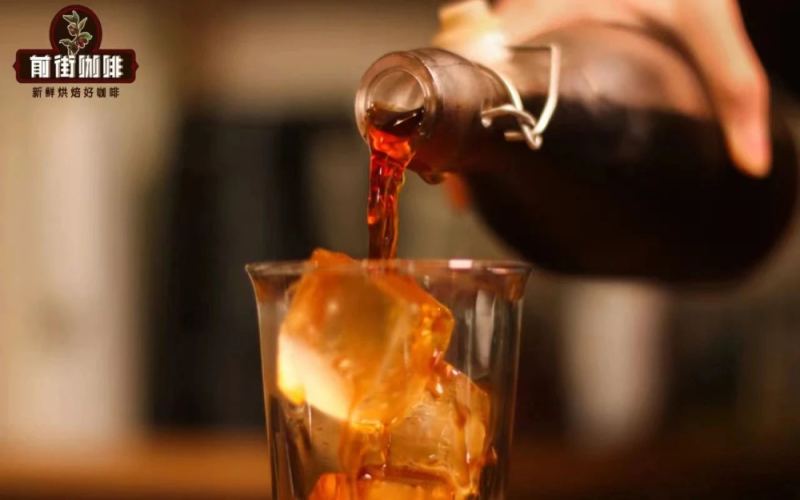
Single-Origin Cold Brew Coffee Bean Flavor Comparison and Selection Guide: From Grinding Parameters to the Full Extraction and Fermentation Process
Cold brew coffee, through its low-temperature slow extraction, presents a rich yet not bitter unique taste, making it an ideal drink for cooling off in summer. Coffee beans from different origins and processing methods give cold brew distinctly different flavor expressions. This article will compare single-origin coffee beans suitable for making cold brew, recommend specific choices such as Front Street Coffee Strawberry Candy, Mozart, and Dingding, and explain in detail the complete process from grinding setting, coffee-to-water ratio, ice-water mixing, to drip flow rate and cold fermentation, helping coffee enthusiasts make a cup of cold brew coffee that is full of juicy feel, refreshing and clean right at home. [more…]
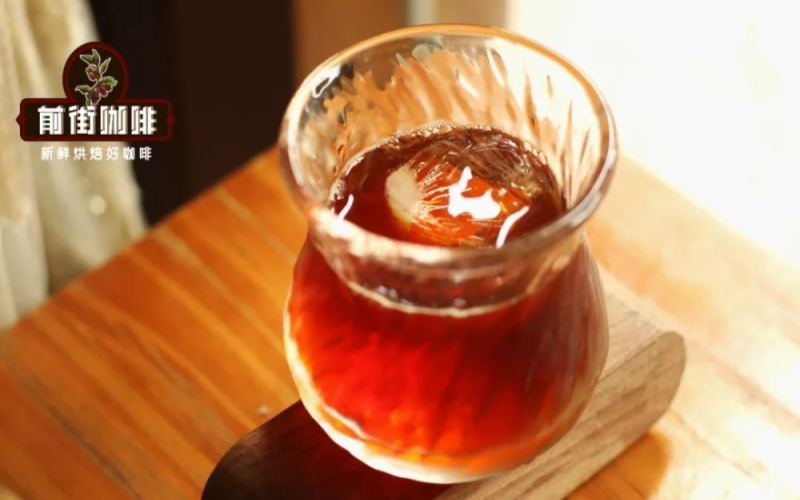
Fruit-Infused Cold Brew Coffee Pairing Experiments: Four Recipes, Flavor Comparison, and a Coconut Cold Brew Latte Recipe
Under the framework of cold brew coffee's low-temperature slow steeping, there are inherently few adjustable variables—just water volume, water temperature, grind size, and steeping method. But if fruit is brought into the steeping process as well, could it open up new flavor territory? Front Street paired blueberries, grapes, lemons, and peaches with four coffee beans of different character profiles, ran a round of fruit cold brew experiments, and recorded the aroma, mouthfeel, and pros and cons of each group. In addition, it extended into mixing ideas for cold brew lattes, sparkling cold brew, and coconut water cold brew, and summarized the types of fruit suitable for steeping and the direction for choosing coffee beans, as a reference for recreating them at home. [more…]
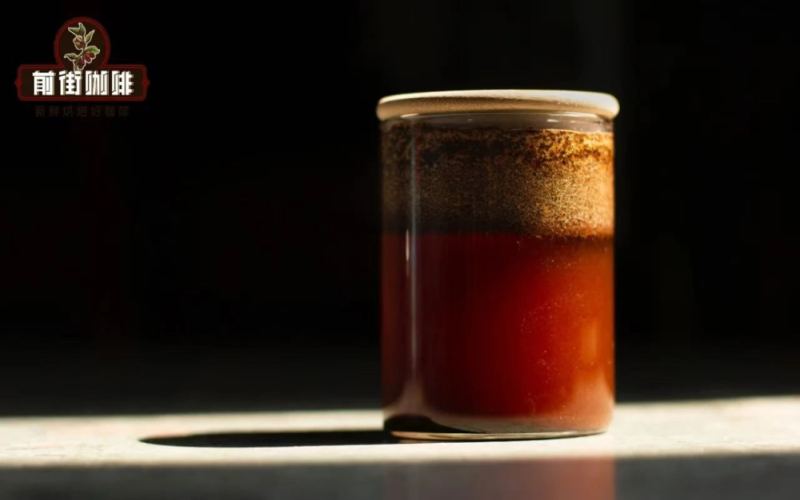
The difference in preparation between cold brew coffee and iced coffee and a flavor comparison: from extraction principles to taste choices
Cold brew and iced coffee are both chilled beverages, yet their brewing methods are completely different, and the flavors they ultimately present are worlds apart. Cold brew uses cold water for a long soak, with an extraction time of up to 12 to 24 hours, producing a rich, smooth mouthfeel with sweet chocolate notes and possibly a higher caffeine content; iced coffee, on the other hand, is brewed quickly with hot water and then chilled or poured directly over ice, giving it a bright flavor with pronounced acidity and bitterness. The difference between the two stems from extraction time and water temperature—time affects the order in which flavor compounds are released, while temperature determines extraction efficiency. Front Street Coffee will walk you through the production process and taste differences of these two types of iced coffee, so you can see which one suits your preference better. [more…]
Is It Feasible to Cold Brew Coffee Grounds with Ice Water? Flavor Comparison and Complete Ratio Tutorial
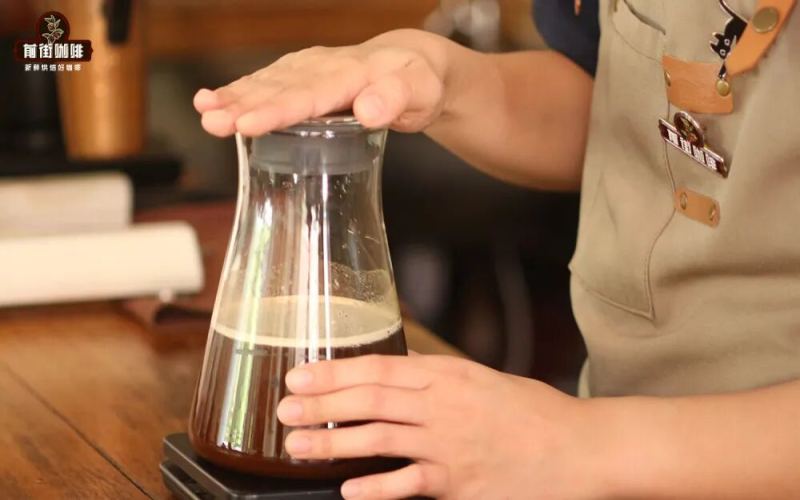
Cold brew coffee is usually made by soaking ground coffee in room-temperature water and then refrigerating it to extract, but if you replace the water with ice water, will the final cup taste better or worse? At Front Street, we made two batches of cold brew using room-temperature water and ice water respectively, comparing everything from grind size and coffee-to-water ratio to the actual flavor. The result showed that the ice water cold brew yielded less liquid, yet presented a clear sweetness reminiscent of grapes, pineapple, and oranges, with almost no bitterness. This article fully documents the parameters and steps of both methods and explains how temperature affects extraction efficiency and the release of flavor compounds, helping you find a cold brew solution that suits you. [more…]
Cold Brew vs. Americano: A Comparison of Their Alertness Effects, Caffeine Content of Low-Temperature Slow Brewing, and a Detailed Guide to Making It
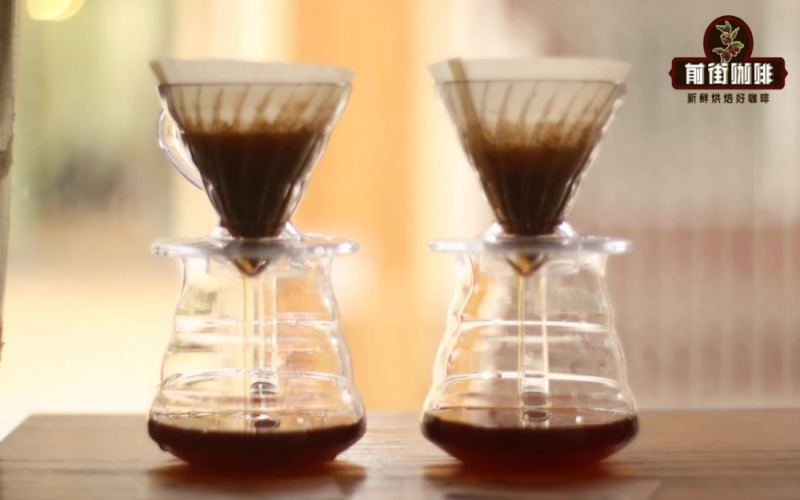
Cold brew coffee has gained increasing favor among coffee enthusiasts in recent years, not only because of its simple preparation method, but also because it can showcase the unique flavor charm of coffee beans. Compared with Americano made through high-temperature extraction, how does cold brew coffee perform in terms of caffeine content and refreshing effect? How does low-temperature extraction affect the acidity, sweetness, bitterness, and aroma of coffee? Starting from scientific research, this article will deeply analyze the differences between cold brew and Americano in their refreshing effects, and share Front Street Coffee's cold brew preparation method and recommended bean varieties, taking you through a comprehensive understanding of this essence extracted by time. [more…]
How to determine the coffee-to-water ratio for cold brew? A comparison of actual tests from 1:8 to 1:15 and an analysis of the parameters.
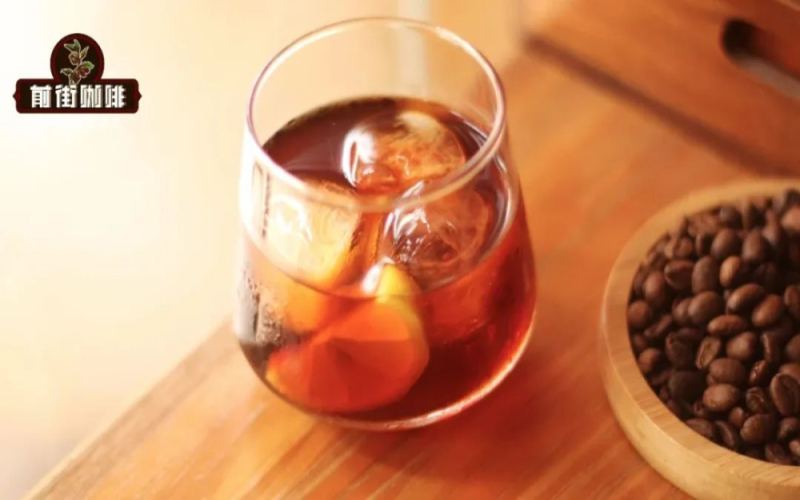
The coffee-to-water ratio for cold brew has always been a hot topic among enthusiasts. Some prefer the intensity of 1:8, others are used to the lightness of 1:15, while Front Street Coffee's daily offerings mostly use 1:10. Which ratio is actually the most suitable? Starting from the principles of extraction, this article systematically analyzes the impact of coffee-to-water ratio on cold brew flavor, and shares key parameters such as grind size, steeping time, and water quality selection. At the same time, using Kenya AA washed beans as an example, it conducts actual taste tests of the differences among four ratios—1:8, 1:10, 1:12, and 1:15—to help you make a cup of cold brew coffee at home with balanced acidity and sweetness and clear flavor. [more…]
How is cold drip coffee made? A comprehensive comparison with cold brew in terms of extraction time, method, and flavor
Although ice drip coffee and cold brew coffee both fall under the category of cold drinks, they follow two completely different paths from equipment structure to extraction logic to the final flavor in the cup. Ice drip relies on ice water slowly dripping through, taking anywhere from 3 to 24 hours, and Front Street Coffee generally recommends 5 to 8 hours; cold brew, on the other hand, obtains a chocolate-like sweetness and full-bodied mouthfeel through long soaking. The two each have their own set of rules regarding grind size, equipment choice, and brewing time, and their acidity and bitterness also differ noticeably. This article will break down the three-part structure of the ice drip pot, compare the production details of the two cold drinks, and explain the drinking methods and purchasing suggestions that suit each. [more…]
Comparison of Iced Coffee Characteristics | What's the Difference Between Iced Americano, Iced Pour-Over, Ice Drip, and Cold Brew? Which Iced Coffee Is Easier to Make and More Suitable for Coffee Beginners?
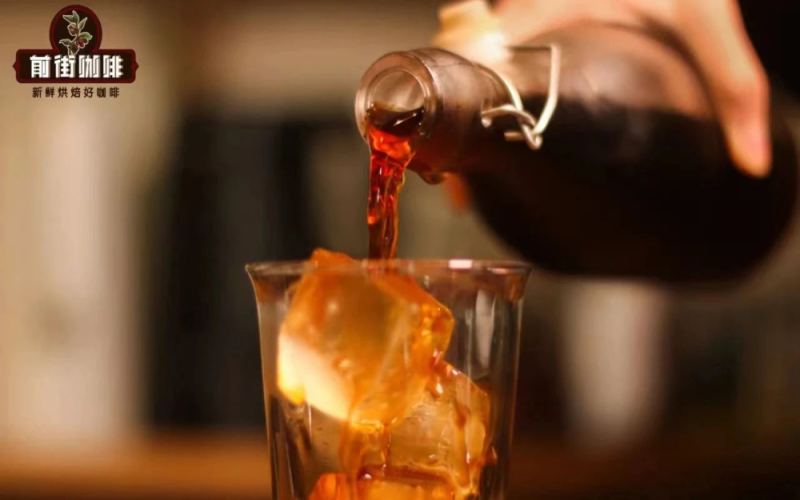
For more specialty coffee knowledge, please follow our WeChat official account: Front Street Coffee (FrontStreet Coffee). The four common types of iced coffee are iced Americano, iced pour-over, cold brew, and ice drip coffee. Some friends may not be very familiar with these four types of iced coffee, so Front Street will try to [more…]
A Detailed Guide to Making Cold Brew Coffee at Home: Starbucks Nitro Cold Brew vs. Americano Comparison and Five Front Street Coffee Bean Recommendations
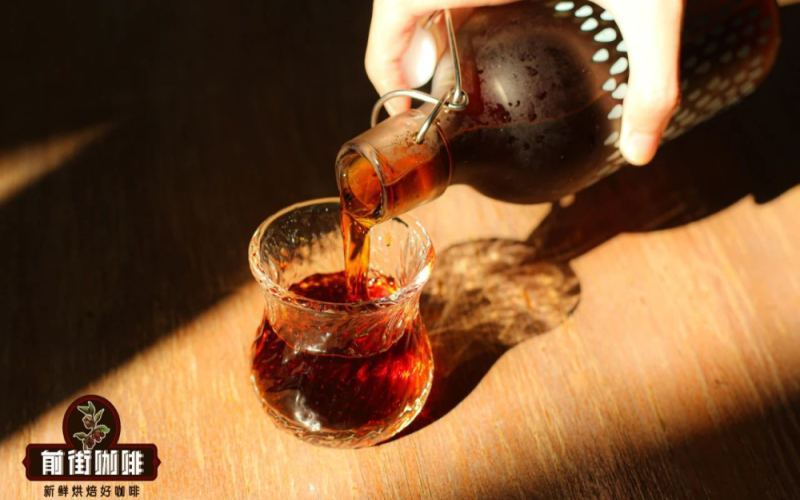
On a scorching summer day, a refreshing glass of cold brew coffee is undoubtedly the perfect way to cool down. Cold brew has a low barrier to entry—steep it the night before, and it's ready to enjoy the next day. But how does the extraction logic of cold brew differ from that of high-temperature pour-over? And what exactly is Starbucks' Nitro Cold Brew? This article starts with the definition and extraction principles of cold brew, unravels the nitrogen mystery behind Nitro Cold Brew, and shares in detail Front Street Coffee's cold brew recipe and steps, including key parameters such as coffee-to-water ratio, grind size, and refrigeration time. It also offers extraction time adjustment suggestions for different flavor preferences, and recommends five Front Street single-origin coffee beans suitable for cold brew, covering producing regions such as Ethiopia, Kenya, Panama, Costa Rica, and Honduras, helping you make a cup of cold brew to your liking at home. [more…]
Comprehensive Comparison of Cold Brew and Cold Drip Coffee: A Detailed Guide to Bean Selection, Coffee-to-Water Ratios, and Home Brewing Methods
Cold brew coffee and ice drip coffee are both cold-extracted iced coffees, but their production methods and taste profiles differ. Drawing on the practical experience of Front Street Coffee, this article answers what kinds of coffee beans are suitable for making cold brew and ice drip, the operating steps and coffee-to-water ratios for both methods, the advantages of cold extraction compared to pour-over, and the specific differences in flavor and mouthfeel between the two. The article also introduces several single-origin beans suited for iced drinks, such as Front Street Big Belly Button and Front Street Rose Valley, and offers storage suggestions for cold brew coffee, helping coffee enthusiasts easily make refreshing and delicious iced coffee at home. [more…]

Iced Americano, Iced Pour-Over, Cold Brew, and Ice Drip: Extraction Differences and Flavor Comparison of Four Iced Coffees
In the hot summer, iced coffee becomes the top choice for many people. But can you accurately tell the difference between these four common types of iced coffee: iced Americano, iced pour-over, cold brew, and ice drip? Front Street Coffee systematically sorts out the characteristics of these four iced coffees from four dimensions: extraction method, preparation time, ease of operation, and flavor and mouthfeel. This article will explain in detail the specific preparation method for each type of iced coffee, including recommended parameters for coffee beans such as Front Street Classic Espresso Blend, Fruit Ding Ding, and Strawberry Candy, to help you choose the iced coffee preparation method that best suits your own conditions and taste preferences. [more…]
Where Does Cold Brew Coffee Flavor Come From? A Full Breakdown of Brewing Parameters, Kyoto-Style Drip Comparison, and Taste Adjustment
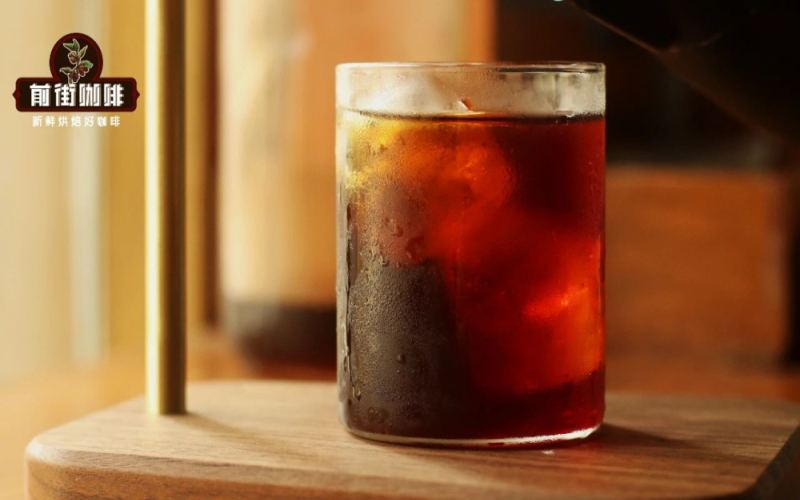
Is iced coffee still worth drinking after autumn arrives? The answer is, of course, a resounding yes. Cold brew coffee centers on low-temperature, long-duration extraction, which preserves more small-molecule flavors such as floral and fruity notes, reduces large-molecule compounds from smoky roasting and the sour-bitterness, and delivers a smoother mouthfeel with more pronounced layers and a sweeter finish. This article will systematically sort through the origins and extraction principles of cold brew, explain how water temperature, coffee-to-water ratio, grind size, and steeping time affect the taste, and offer adjustment ideas for coffee that is too bitter, too sour, or too weak. It will also compare the differences between cold brew and ice drip in terms of brewing method and flavor expression, and include Front Street Coffee's bean recommendations to help you make consistently delicious cold brew at home. [more…]